Listens
Routes wearable recordings, calls, messages, email, calendar, and files into one system.
You choose what is connected. Each source lands in the same living context instead of a separate inbox you have to remember to check.
Connect a voice-recording wearable, email, calendar, messages, files, calls, and the relationships behind them. Living Code OS turns that stream into one living context, reacts in near real time, handles the work you authorise, and sends everything else for human approval. Need a new capability? Ask. It can build, test, and stage the feature, then add it after the merge you approve.
You leave a meeting and say, "Send Maya the revised proposal Friday, move our call, and give me a better way to track these promises." Living Code OS connects Maya to the right relationship and project, checks the relevant communication and calendar context, handles what it is authorised to handle, and sends the rest for approval. If the tracker does not exist, it can build one.
Not a set of features bolted together. Seven behaviours over one memory, each one reading from and writing back to the same living context.
You choose what is connected. Each source lands in the same living context instead of a separate inbox you have to remember to check.
A language model extracts the entities from each item and links them with the source kept as evidence, so a name in a call resolves to the same person as a name in a thread.
Near real time, not overnight. A change is noticed, the relevant history is pulled, and the next step is prepared while the situation is still live.
Routine work runs. You decide what counts as routine, and you can tighten or loosen that line whenever you like.
Ask in plain language. It plans the change, writes and tests it in a sandbox, stages it, and prepares the production merge for you to approve.
Every channel reaches the same resident agent and the same memory. You do not re-explain yourself when you change device.
The card shows the exact payload that will run. Edit the fields first if you want. What is in the fields at approval is what runs.
Wear Fieldy, Omi, or another connected recorder. Living Code OS brings in the conversations you choose, connects them to your relationships, communications, projects, and commitments, then remembers, recommends, acts, or asks—according to your rules.
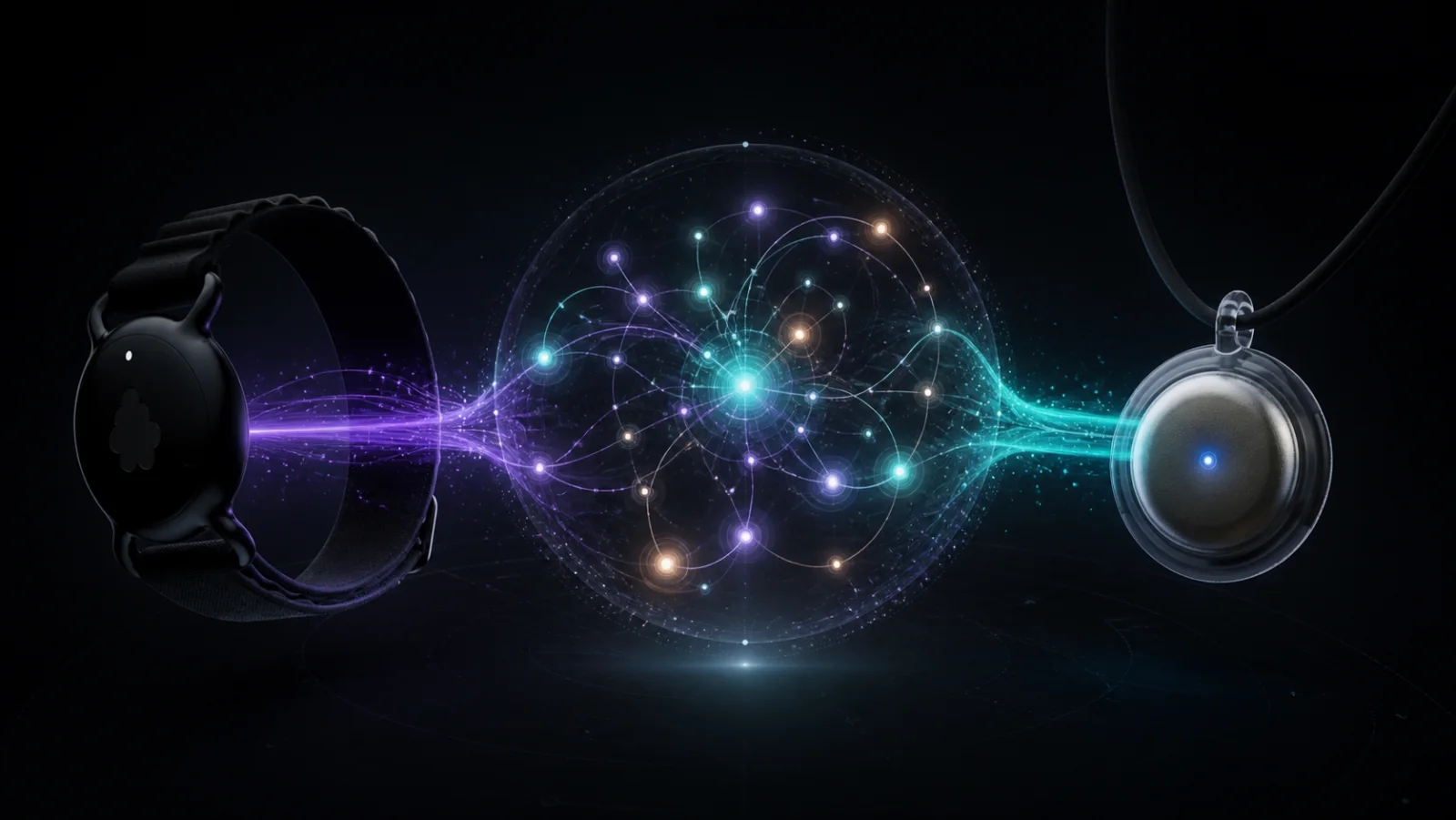
Living Code OS can notice new information, surface what matters, prepare the next step, or act while the problem is still unfolding. You decide whether it should observe, recommend, ask first, or work automatically inside the authority you give it.
Describe the missing capability in plain language. Shipwright studies the relevant code, plans the change, writes and tests it in a sandbox, deploys it to staging, and prepares the production merge for your approval. Once merged, it becomes a native part of your operating system, not another disconnected tool.
The visual interface is only one way into Living Code OS. Give it a phone number. Reach it through SMS, Telegram or another connected messaging service. Talk while you walk, call it directly, or open the visual OS when you want to see the work in front of you. Every channel reaches the same resident agent and the same memory.
Give routine work permission to run. Route sensitive, unusual, expensive, or irreversible actions to a human approval area. Each pending action shows the exact payload that will execute, and any edits you make become the action that runs. Tighten or relax the boundary as your trust grows.
What is in the fields at approval is what runs.
Living Code OS belongs to one person, not a department. Point it at one company, several companies, or the parts of your personal life you want it to understand. The memory remains yours. When people work together, their personal instances share only the rooms they deliberately open to one another.
Every capability ships as an app, and every app is a window in one window manager. Eleven of them live in the dock. This is one way into the operating system, alongside your wearable, messaging, SMS and the phone.
Living Code OS runs on Cloudflare primitives. D1 holds the index, R2 holds the originals, Vectorize holds the embeddings, Workers AI does embeddings, extraction and transcription. Durable Objects coordinate the interface, phone calls, machine links and live audio. Workflows run the long jobs, and cron is the heartbeat.
Every model call is metered into one table with its surface, provider, model, cache reads and writes, and cost. These are what the system costs to run at one person's volume.
Living Code OS already runs in a private deployment. Public access is not open yet. Leave your email to hear when a personal deployment is ready, directly from the builder, with no drip campaign or sales sequence.